 By
Start with the funny stuff. Ask about a first job, a haircut nobody should have had, or the thing they got in trouble for at school. A funny answer can give you something to ask about next.
If visits tend to go “How are you? Fine. Eat something,” try one of these questions, with a kid or two along if you have them.
Every question here comes from Lolo Cards - 5,200+ conversation cards for iPhone.
Pick one funny question
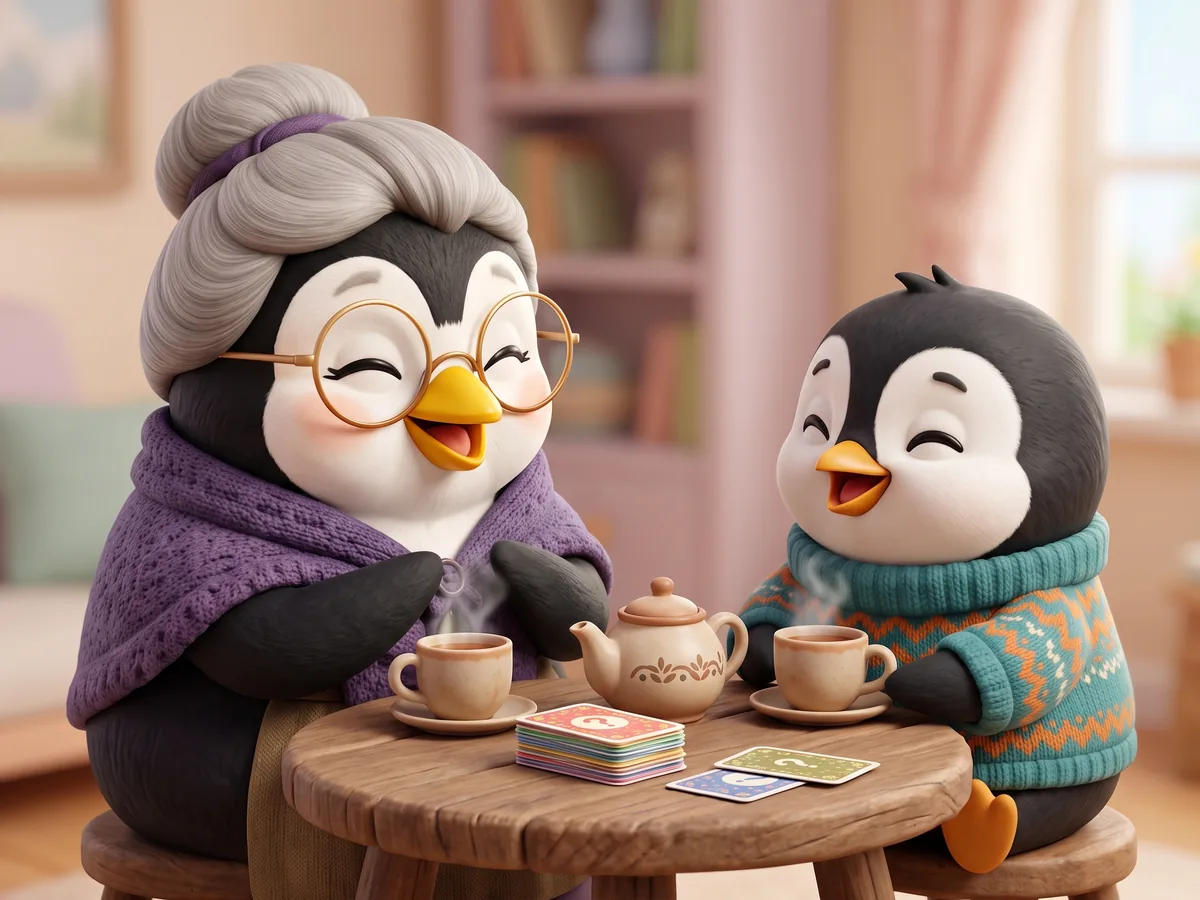
Pick one question, ask it over tea or while the table is being set, and see where it goes.
Good fun questions are about something concrete that happened. “What was your very first job?” gives someone a place to start. “What was your life like?” covers a lot of ground.
Try these first:
- What was your very first job?
- What was in fashion when you were young?
- What did you get in trouble for at school?
- Who was your first crush?
If you want more questions for another day, the full grandparents hub has more.
Questions for when kids are at the table
Kids sometimes ask what adults are too polite to ask.
Give a child one card or one question to ask. Questions about old-fashioned things can give kids a glimpse of everyday life before they were born:
- What do you still do the old-fashioned way: paying cash, writing things down, something else?
- How did boys ask girls to dance when you were young?
- What’s your favorite song from when you were young?
Ask for the song, then find it on your phone and play it. Then ask who they danced to it with, and let the kids play something of their own in return.
If they say “I don’t remember”
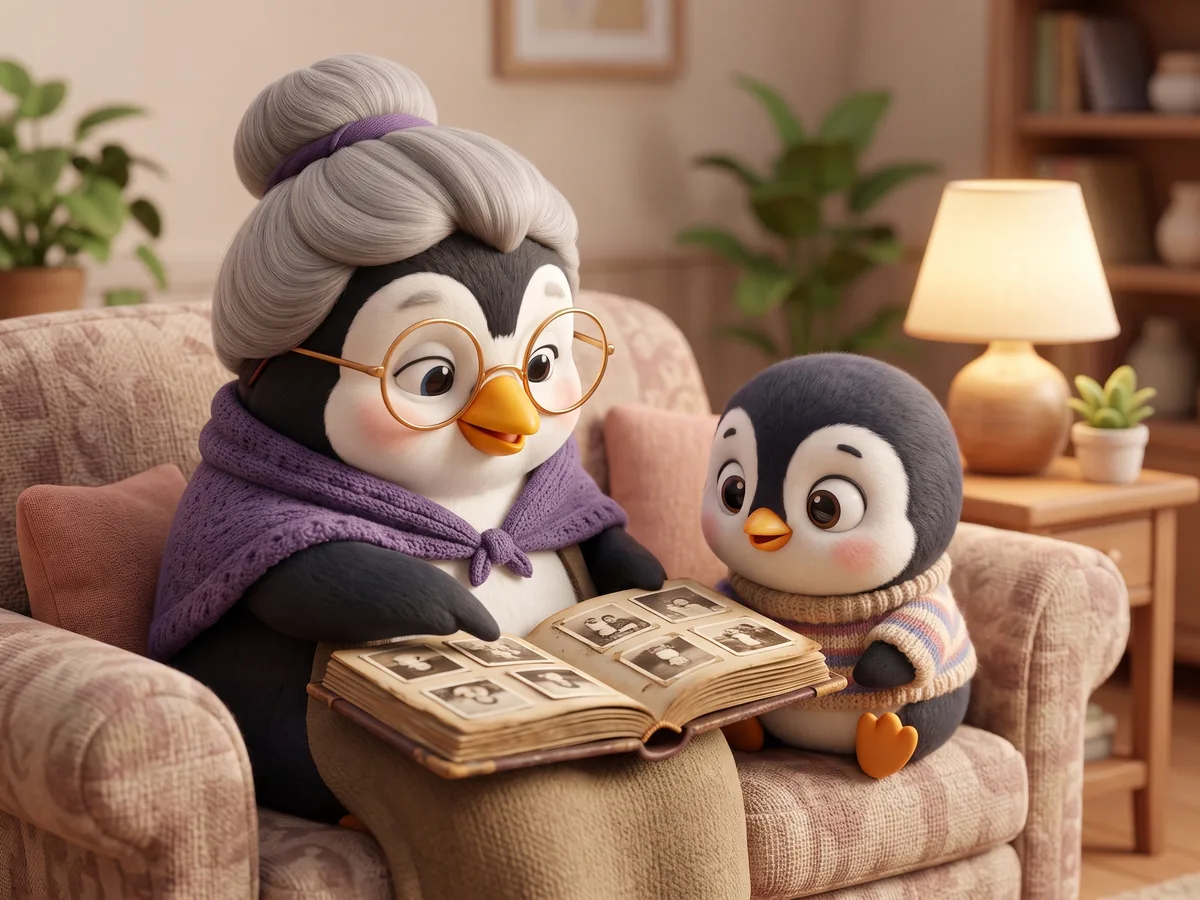
It happens, and not remembering isn’t a failure. Some people need a more specific prompt. Try a smaller version of the same question: “What did you wear to a dance?” Or bring one object, like an old photo or a recipe card, and ask about that.
Other times the answer is “oh, nothing interesting.” Don’t argue. Say “Tell me the boring version,” and listen. Ordinary details can be worth hearing: the bus route, the boss’s terrible hat.
If a question lands on something sad, let it be sad for a moment. You can say “thank you for telling me” and move to a lighter one.
Let the laugh lead to the story
A funny answer can lead to a longer story. Someone might tell you about the worst job they ever had, then explain why they needed the money.
Keep a few questions in mind for when everyone seems comfortable:
- When did you laugh the hardest in your whole life?
- What’s the funniest thing that ever happened at a family gathering?
- What did you want to be when you were young?
Then ask “And then what happened?” and wait.
A small study offers some context for using specific questions. Twelve grandchildren held six weekly life-review talks with their grandparents, who had recently been diagnosed with dementia, and wrote reflections on how it went. One wrote that the icebreaker questions were the most helpful part of a session, and another said that the suggested questions “really opened her to telling me her interests.” Grandchildren in the study also found broad topics hard. These reflections from a small group don’t tell us how an ordinary visit will go.
When the visit is nearly over
You don’t need an hour. Try one question in ten minutes at the end of lunch. If the conversation is going well, you can finish with one question that looks a little further:
- What’s the biggest change you’ve seen in the world during your lifetime?
- What’s your secret to a long life?
Then stop while everyone is still enjoying it. Next visit, ask a new question, or go back to one that got a good reaction and ask what happened next. If you’d like to keep an answer, the guide on how to ask your grandparents about their life and record it covers asking permission and using your phone.
A small study of about 48 families, as reported by StoryNet, found that children who knew more about their family’s history reported a stronger sense of control and higher self-esteem. It shows a link, not a cause.