 By
The hour before midnight is a strange one. Everyone is full, the playlist is on its third loop, and nobody wants to start a movie they won’t finish. A round of would you rather gives that hour a shape.
Start with one silly question, then move to the year behind you, then to the year ahead. Here is the first one to read out right now:
- Would you rather always have to whisper or always have to shout?
Make everyone pick a side before anyone explains. Then go around the room for the why.
Every question here comes from Lolo Cards - 5,200+ conversation cards for iPhone.
Start silly, so the shy ones can join
Early in the evening, people may still be settling in. Big questions about the meaning of life can land badly. Questions about the internet will land fine.
- Would you rather never use a search engine again or never use social media again?
- Would you rather have to say everything twice or never be able to repeat yourself?
Rule for the host: you answer first, in one sentence, and you don’t defend it. That shows everyone how short an answer can be. If a question flops, say “next” and move on. Nobody is being graded.
If you want more party openers that aren’t tied to the date, there are some in fun questions to ask at a party.
Look back at the year
Once people are laughing, turn the room toward the year that is ending. Each one asks for a pick, so nobody has to recite their year.
- Would you rather be able to change one decision from your past or know one thing about your future?
- Would you rather lose all your memories or never make new ones again?
- What’s a dream you didn’t have a year ago?
Pair them with one plain question and let people answer with a single moment:
- Which moment from this year do you remember most?
The heavier ones can go quiet for a few seconds. That’s fine. Let the silence sit, then ask the person next to them what they’d pick. The dream question is the one most likely to start a real conversation, so don’t rush past it.
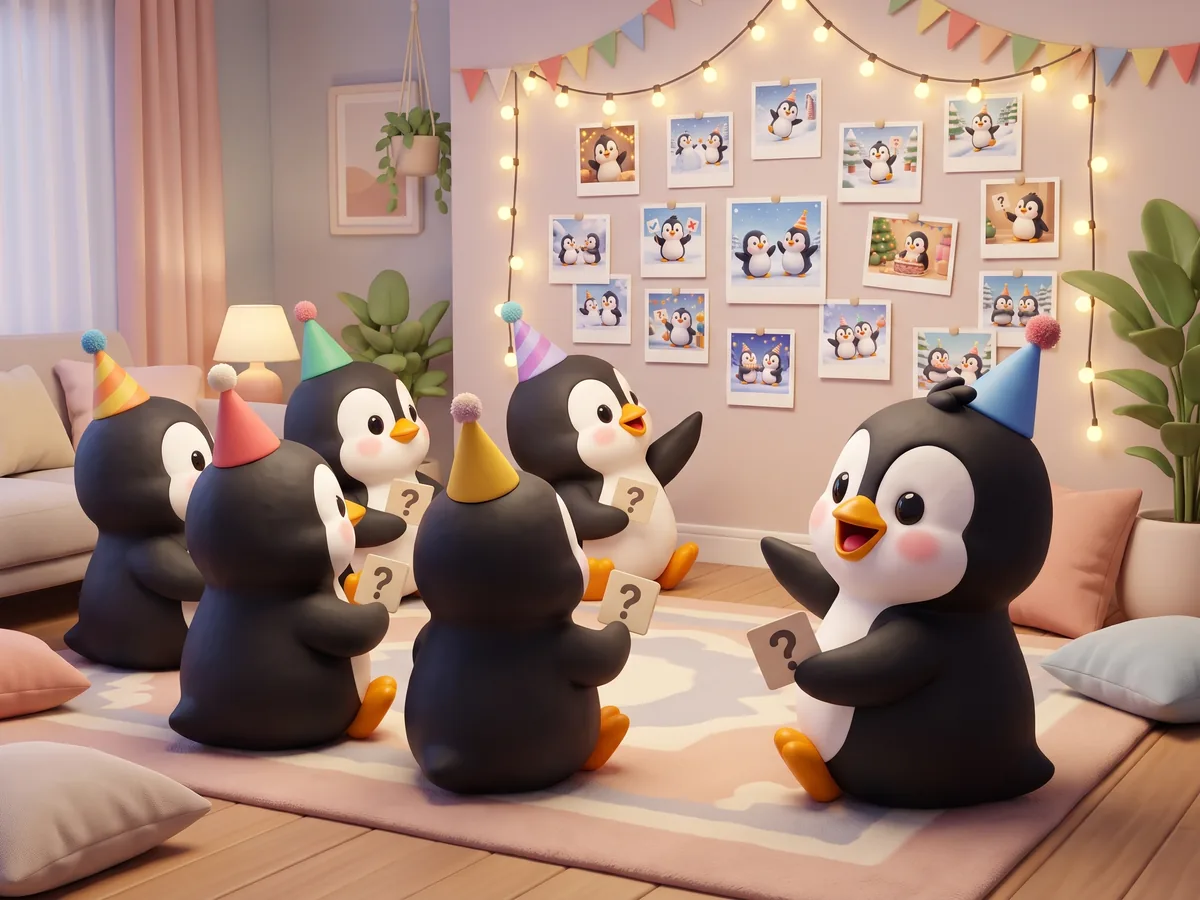
Resolution dilemmas
Most resolution talk goes the same way: everyone says “gym” and “less screen time,” and nobody learns anything. Dilemmas get further, because you have to choose.
- Would you rather fulfill one huge dream, or ten small ones?
- Would you rather take a sure small win, or gamble on a big one?
- Which New Year’s resolution have you made more than once?
The last one is a confession, so go first. People laugh and then, usually, someone says what they really keep failing at.
There’s one research finding worth bringing to the table. In a large experiment run by researchers in Sweden with over 1,000 participants, people whose resolutions were framed as something to move toward did better than people whose resolutions were about avoiding or quitting something. The same release says the extra support given to participants did not make much of a difference. So if your friend says “I’ll stop snacking,” you can ask the follow-up: “What would you start doing instead?” The study reports a difference in framing, with no promise that any resolution will stick.
Why a new year feels like a clean slate
There’s a reason this hour gets so earnest. Researchers Hengchen Dai, Katherine Milkman and Jason Riis call it the fresh start effect: people take on goals more readily after a moment that feels like a break from the past, such as a new year, a new week or a birthday. One of the authors says the New Year gets too much attention, because there are repeated chances to start. Your friends can use the next fresh start the same way.
If a resolution doesn’t survive January, the next fresh start doesn’t have to wait a year.

The last ten minutes before midnight
Save the dreamy ones for the final stretch, when the room is warm and a bit tired. Keep the answers short so the countdown doesn’t interrupt anyone halfway through a story.
- You can spend one New Year’s Eve anywhere in the world. Where?
- Who’s most likely to fall asleep before midnight on New Year’s Eve?
The second one is a pointing question. Everyone points at the same person at once, and that person defends themselves while the clock runs down. It makes a good last laugh.
If you want to keep the game going after the new year starts, the full set of questions is on the would you rather questions page, and you can pick a different mood than the one you used tonight.
A simple way to run it
- Pick one person to read the questions out loud. Phones go face down.
- Everyone picks A or B before anyone speaks.
- Go around once for reasons. Passing is allowed.
- Move on after two or three answers. Don’t debate.
- Stop while it’s still fun, with ten minutes to spare.