 By

It’s Tuesday, everyone is tired, and the dinner talk has gone from “pass the rice” to “did you do your homework?”
Ask about something small and specific instead of “how was your day?”, ask one question at a time, and answer it yourself first. Five minutes of that between bites beats a long talk nobody wants to have.
Every question here comes from Lolo Cards - 5,200+ conversation cards for iPhone.
Why does “how was your day?” get “fine”?
Because it asks for a full report at the end of a long day. Psychologist Eileen Kennedy-Moore tells WebMD that questions like “What did you do today?” or “How was school?” get answers like “Nothing” or “Fine.” She suggests asking about particular people and events from the day instead.
The same article says that if your kids aren’t answering a question, don’t keep pressing. That’s a good rule for a weeknight. One question, one try, and you move on.
A question small enough to answer with a story works even with a mouth full of pasta.
What do you ask when the day was boring?
Skip the report and ask for one moment. These can work for a younger child and a teenager:
- What made you the happiest today?
- What’s the last thing that made you laugh today?
- What’s something that surprised you about today?
Take your turn first. If you share a small detail, the kids hear that a full report isn’t required. Nobody has to say anything wise.
If an answer is short, ask for a little more: “Who else was there?” or “What happened next?” Then let it go if it’s still short.
What works when the kids are different ages?
HPRC (Human Performance Resources by CHAMP) publishes mealtime starters in three age bands: ages 2-7, ages 8-12 and teenagers. Little kids get questions about favorite foods and colors, while the teen list leans toward hopes, dreams and worries. Their point is that open-ended questions encourage kids to talk.
On a weeknight with a six-year-old and a sixteen-year-old at the same table, one list can work when the questions are silly enough for the small one and low-stakes enough for the big one. Food and silly opinions are a good place to start:
- If you had to eat the same breakfast every day forever, what would you pick?
- What’s your most unpopular food opinion?
- What’s the silliest thing that’s ever made your whole day better?
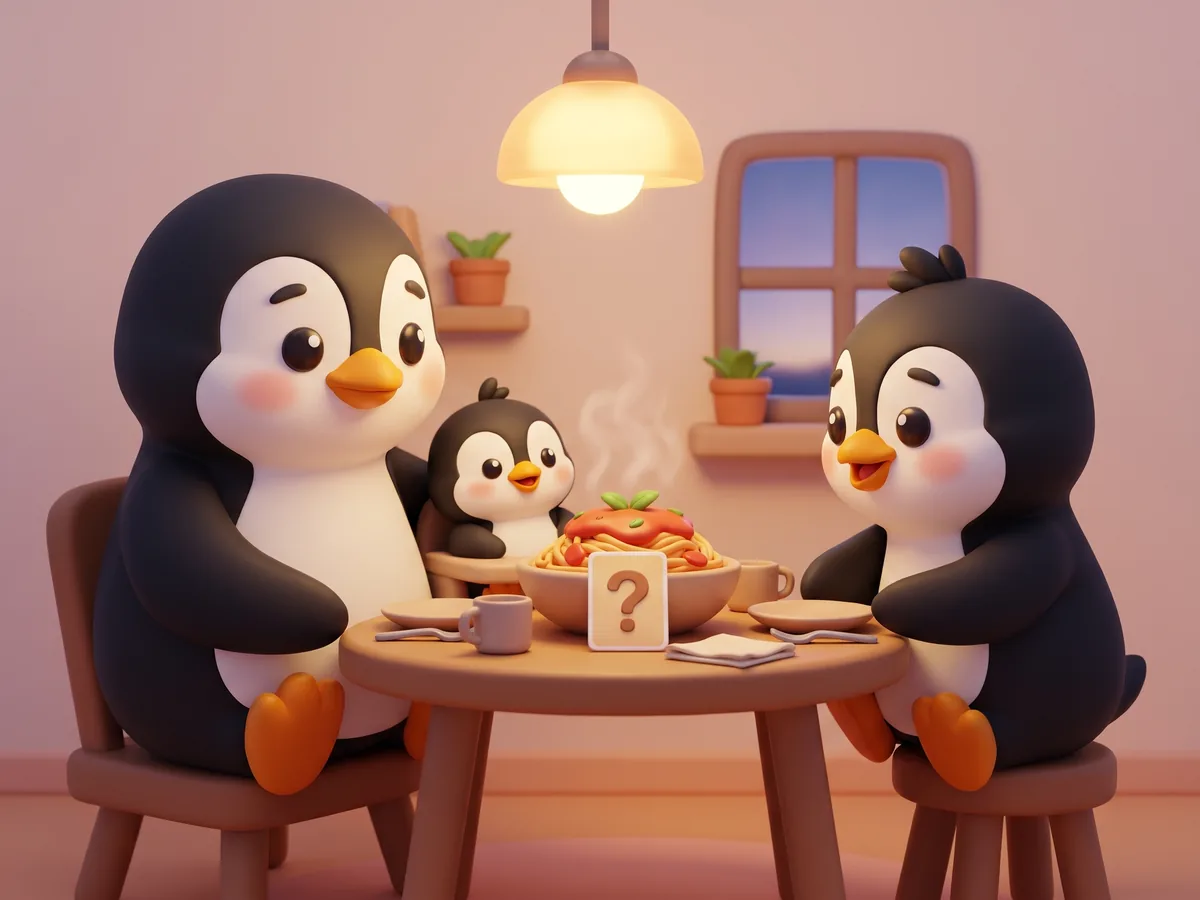
Let the youngest answer first and the oldest last. The teen gets time to think, and the little one gets to feel important. If the teen gives a one-word answer anyway, take the one word and go on. More ideas for that age are in conversation starters for teens who answer in one word.
How do you get phones off the table?
Put them in another room or in a basket by the door before anyone sits down. Don’t ban them in the middle of a meal, because that can start a fight.
A fact sheet from Utah State University Extension says the benefits of sharing meals as a family can diminish when screens, such as phones, televisions or tablets, are present. Screens also get in the way of meaningful connection.
Make the swap easy. If the phones are gone, something has to take their place, and a stack of cards in the middle of the table does the job. Whoever draws reads it out loud, so the question comes from the card and the parent can just answer too.
What are the best questions about the family itself?
Shared memories are an easy place to start at a family table, because everyone has their own version. No one has to explain how they feel; they can simply remember.
- What’s the funniest thing that’s ever happened during a family dinner?
- What’s a food you refused to eat as a kid that you love now?
- What’s the messiest family dinner disaster you remember?
- What’s your favorite family tradition, and why?
- What’s a tradition from someone else’s family you wish we had?
- What’s your favorite childhood memory involving food?
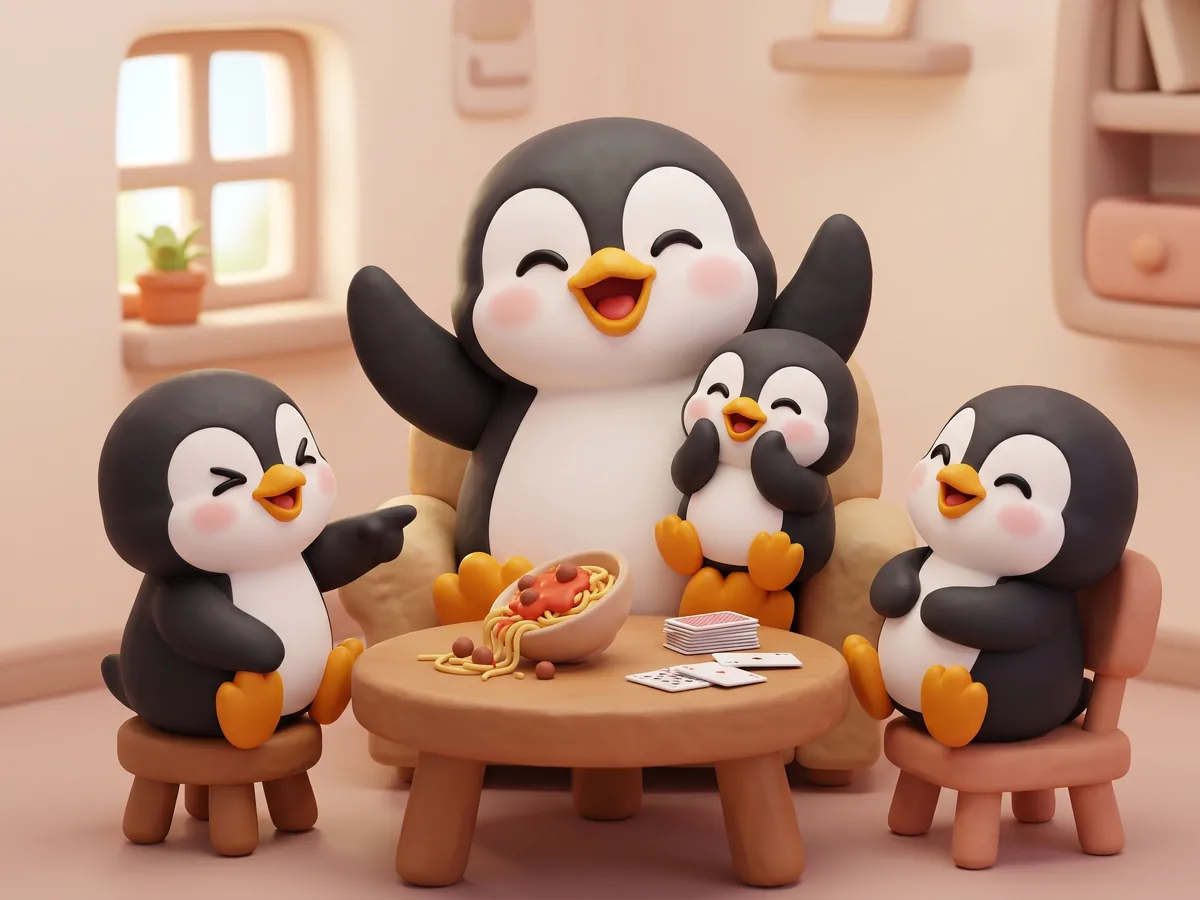
Find more in our conversation starters, including a few of the funnier ones in funny questions to ask.
What should you leave for another night?
The USU Extension authors advise saving difficult or stressful conversations, and discipline, for another time, and keeping topics light so kids link mealtime with a safe and loving space. That’s good advice for a Wednesday. If a report card or a fight needs talking about, do it at a different hour.
A few small habits help:
- Pick one question, not ten. Let it run until it’s finished.
- Answer your own question first.
- Keep it to about five minutes. If it turns into twenty, great, but you didn’t plan it.
- If you get a short answer, ask one small follow-up. If the answer is still short, let it go and try again tomorrow.